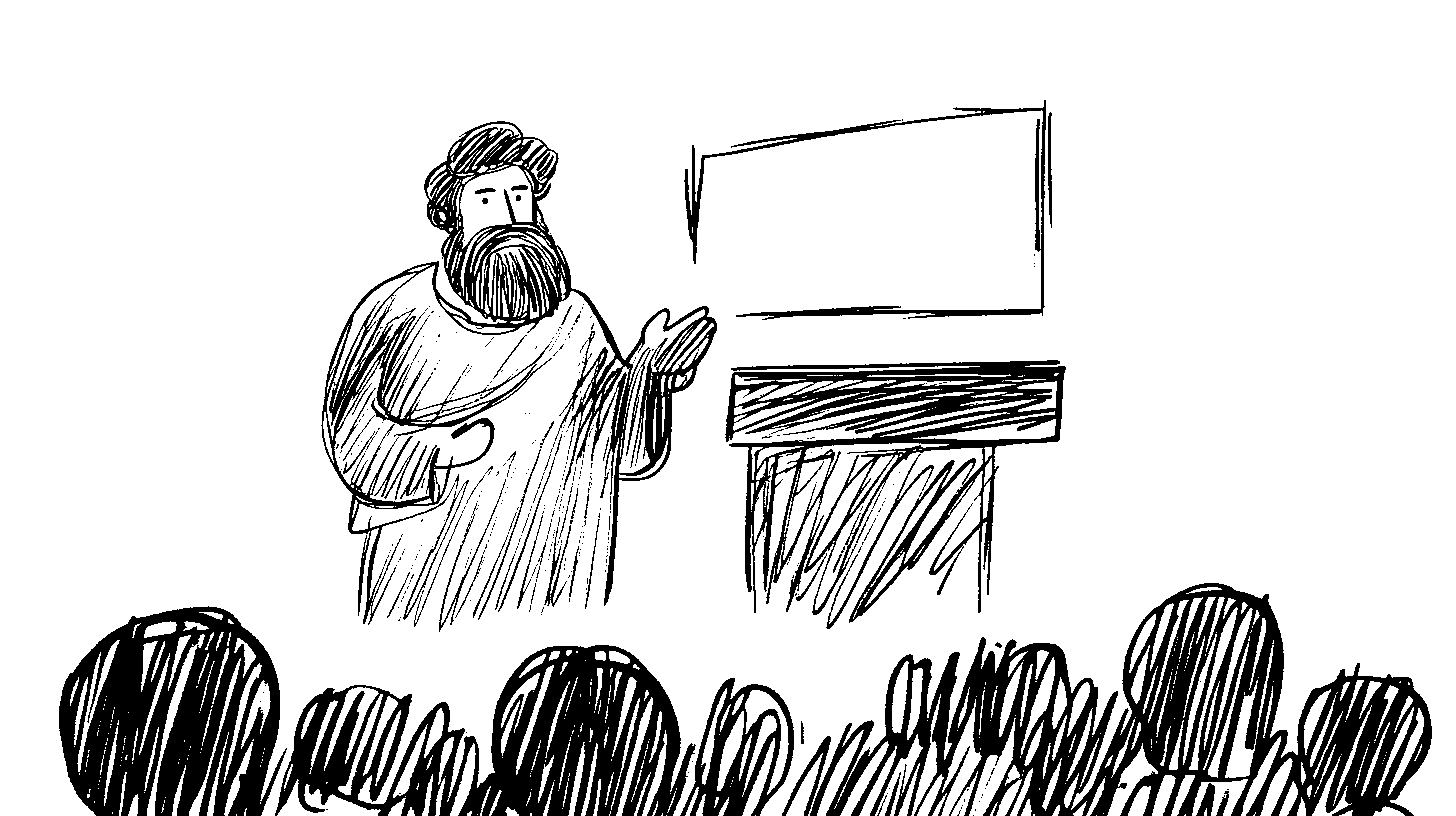
“The fool tells me his reasons. The wise man persuades me with my own.” — Aristotle
Aristotle was possibly the greatest arguer who ever lived. He wasn’t just the guy who sat around in a toga, thinking deep thoughts about the meaning of life. No, he was a street-smart philosopher, a man who understood power, influence, and the psychology of human decision-making better than anyone before or since.
And if you’re reading this, I assume you’re not just interested in collecting philosophy quotes to impress people at dinner parties. You want to persuade. To shape the conversation. To win.
Well, Aristotle gave us the blueprint. He broke persuasion down into three core elements: ethos, pathos, and logos. Master them, and you don’t just win arguments—you shape reality itself.
1. Ethos: The Power of Credibility
“Character may almost be called the most effective means of persuasion.” — Aristotle
People don’t just listen to arguments. They listen to who is making them. If you don’t have credibility, it doesn’t matter if you have the greatest reasoning in history—nobody cares.
Ethos is about authority, trust, and reputation. It’s why people are more likely to believe a well-dressed CEO over an unemployed conspiracy theorist, even if they’re saying the exact same thing. It’s why Warren Buffett’s stock tips move markets, while your cousin’s crypto advice gets ignored.
How do you build ethos?
- Demonstrate expertise. Show, don’t tell. Let your results speak.
- Be consistent. Flip-flopping kills credibility.
- Own your mistakes. People trust those who admit fault and course-correct.
- Align with values. People trust those who seem to share their worldview.
Ethos is why the world’s top communicators don’t just argue well—they are the argument.
2. Pathos: The Art of Emotional Control
“Educating the mind without educating the heart is no education at all.” — Aristotle
People think they make decisions based on logic. They don’t. They make decisions based on emotion and justify them with logic afterward.
That’s why pathos—the ability to stir emotions—is critical. If you don’t make people feel something, they won’t move.
Think about the greatest speeches in history. MLK’s I Have a Dream speech wasn’t a PowerPoint presentation of civil rights statistics. It was a vision of justice, painted in words that made people believe.
How do you master pathos?
- Tell stories. Data is forgettable. Stories stick.
- Use vivid language. Make people see, hear, and feel your message.
- Tap into universal emotions. Fear, hope, pride, anger—they move people.
- Mirror the audience’s emotions. People listen to those who seem to get them.
If ethos makes people trust you, pathos makes them want to follow you.
3. Logos: The Scalpel of Reason
“The law is reason, free from passion.” — Aristotle
After ethos has earned trust and pathos has sparked emotion, logos is what seals the deal. This is where the actual argument comes in—the logic, the reasoning, the evidence.
But here’s the thing: logic alone never convinces anyone. If it did, nobody would smoke, everybody would exercise, and politicians wouldn’t exist.
Logic works only when it’s structured to reinforce ethos and pathos.
How do you sharpen your logos?
- Anticipate objections. Address counterarguments before they arise.
- Keep it simple. Complexity confuses. Clarity persuades.
- Use analogies. People grasp new ideas through familiar comparisons.
- Make it airtight. A single weak link breaks the entire chain.
Logos is the foundation. But it only works if ethos and pathos have already opened the door.
The Elite Playbook: How the Top 1% Persuade the World
What separates the truly persuasive from the rest? They don’t just use ethos, pathos, and logos separately—they weave them together seamlessly.
- Steve Jobs made people believe in Apple’s mission (ethos), made them feel like rebels against a boring world (pathos), and then backed it up with killer product design (logos).
- Elon Musk cultivates the image of a visionary genius (ethos), excites people with dreams of Mars (pathos), and then explains the engineering behind it (logos).
- Winston Churchill inspired a nation at war by being a trusted leader (ethos), evoking deep national pride (pathos), and laying out a clear plan (logos).
The best persuaders don’t argue. They don’t debate. They shape reality itself by controlling how people see them, feel about them, and process their words.
The Final Thought: Persuasion is Power
Aristotle wasn’t just some ancient philosopher. He was the OG of influence, the guy who cracked the human mind 2,000 years ago—and his playbook still works today.
If you want to influence the world—whether in business, politics, relationships, or anything else—you don’t need more arguments. You need ethos, pathos, and logos working together.
Master them, and you don’t just win debates.
You win history.
References
- Aristotle, Rhetoric
- Robert Cialdini, Influence: The Psychology of Persuasion
- Daniel Kahneman, Thinking, Fast and Slow
- Nassim Nicholas Taleb, Skin in the Game
- Steve Jobs’ Stanford Commencement Speech (2005)
- Elon Musk’s TED Talks and Interviews
Leave a Reply