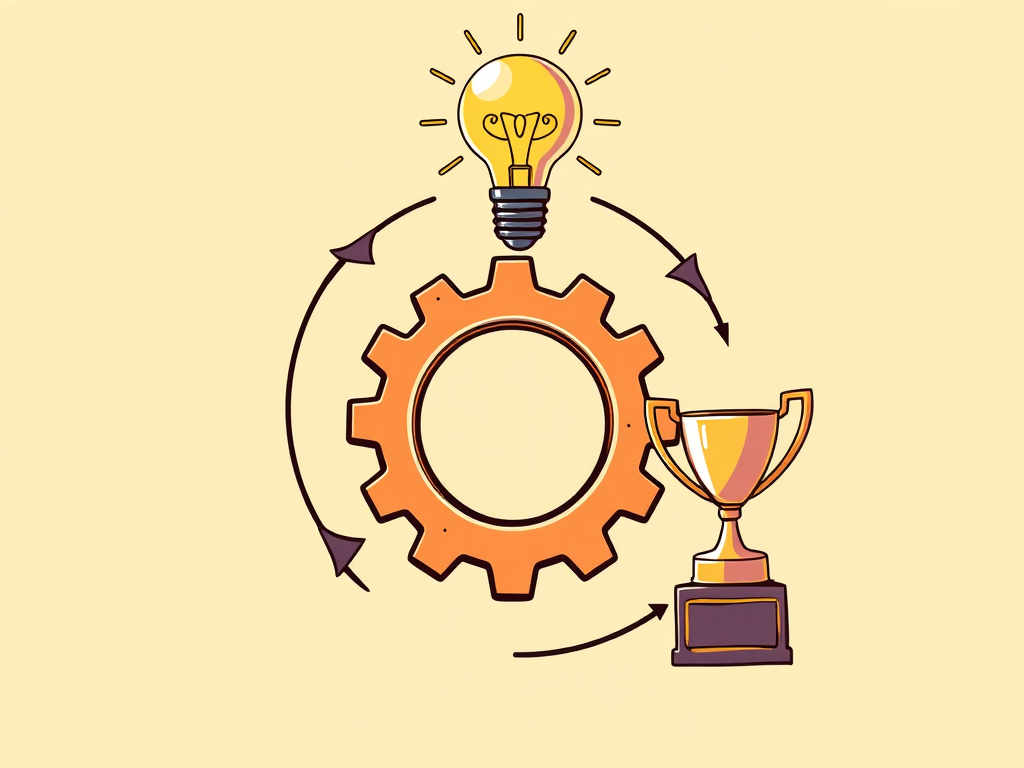
“We are what we repeatedly do. Excellence, then, is not an act, but a habit.” – Aristotle
Habits are sneaky little things. You think you’re in control of your choices, but Charles Duhigg’s The Power of Habit will gladly slap you in the face and say, “Nope, your habits control you.” This book isn’t just about the science of habits—it’s a guide to understanding why you do what you do and how to change it.
Let me break down the key ideas from the book in plain, human language—no fluff, no jargon, no overcomplicated theories. Just actionable stuff you can use in real life.
1. The Habit Loop: Why You’re on Autopilot
“First we make our habits, then our habits make us.” – John Dryden
Duhigg explains that every habit follows a simple three-step loop:
- Cue: Something triggers your brain to go into autopilot mode.
- Routine: The action you take (good or bad).
- Reward: The payoff your brain gets for completing the routine.
Here’s an example:
- Cue: You feel stressed.
- Routine: You grab a cookie.
- Reward: You feel a little better (and maybe guilty, too).
The scary part? This loop runs in the background without you even realizing it. Over time, these loops become so ingrained they feel automatic.
Key takeaway: To change a habit, you don’t need to “break” it. You need to modify it by identifying the cue, swapping the routine, and keeping the reward.
2. Keystone Habits: The Domino Effect
“Small changes can lead to big transformations.”
Not all habits are equal. Duhigg introduces the concept of keystone habits—those habits that, when changed, set off a chain reaction that positively impacts other areas of your life.
For example, exercising regularly is a keystone habit. When you start working out, you might notice you eat healthier, sleep better, and feel more confident. It’s not magic—it’s momentum.
The trick? Focus on small, manageable habits that can snowball into bigger wins. Don’t try to overhaul your entire life at once.
Key takeaway: Start with one keystone habit, and let it ripple through your life.
3. The Golden Rule of Habit Change
“You can’t extinguish a bad habit, you can only replace it.”
Here’s the thing: willpower alone won’t save you. You can’t just grit your teeth and expect to stop scrolling Instagram at midnight. (We’ve all tried.)
Duhigg’s golden rule is simple: keep the same cue and reward, but change the routine.
Here’s how it works:
- Cue: You feel bored.
- Old Routine: You binge-watch Netflix for hours.
- New Routine: You read a book, go for a walk, or call a friend.
- Reward: You still feel entertained or relaxed, but without wasting hours.
This isn’t easy, but it’s doable. The key is experimenting with different routines until one sticks.
Key takeaway: Focus on substituting bad habits with better ones instead of trying to “break” them.
4. The Role of Willpower: Why It’s Like a Muscle
“Willpower isn’t just a skill. It’s a muscle, and it gets tired as you use it.”
Duhigg dives into the science of willpower and explains why it feels so damn hard to make good choices sometimes. Willpower is like a muscle—it gets stronger with use, but it also gets fatigued.
That’s why you’re more likely to eat junk food after a stressful day at work. Your willpower reserves are drained, and your brain is screaming for an easy reward.
The solution? Build habits that reduce the need for willpower altogether. For instance, if you want to eat healthier, prep your meals in advance so you’re not making decisions when you’re tired.
Key takeaway: Don’t rely on willpower alone. Create systems and habits that make good choices easier.
5. The Power of Community: Why You Need People
“Change happens when people come together.”
Habits aren’t just about you. Duhigg highlights the role of social support in creating and sustaining habits. Whether it’s joining a gym class, participating in a support group, or simply having an accountability buddy, other people can help you stay on track.
One powerful example in the book is Alcoholics Anonymous (AA). The program works because it replaces destructive habits with supportive routines, and it fosters a sense of belonging.
Key takeaway: Surround yourself with people who support the habits you want to build.
6. Small Wins Matter: Celebrate Progress
“Success is a series of small wins.”
This part hit me hard: we often dismiss small victories because they feel insignificant. But Duhigg argues that small wins build momentum and confidence, which lead to bigger changes over time.
For example, if your goal is to run a marathon, your first small win might be jogging for five minutes. That’s it. Celebrate that. Once you’ve nailed the small stuff, the big stuff becomes less intimidating.
Key takeaway: Focus on small, consistent progress instead of trying to achieve perfection overnight.
Final Thoughts: Habits Are Your Superpower
Charles Duhigg’s The Power of Habit isn’t just a book about behavior—it’s a blueprint for taking control of your life. The truth is, your habits shape everything: your health, your relationships, your career, your happiness.
The good news? You’re not stuck. You have the power to change your habits and, in turn, change your life. It won’t happen overnight, but with patience and persistence, it’s possible.
So, what’s one habit you’re ready to tackle?
References
- Duhigg, Charles. The Power of Habit: Why We Do What We Do in Life and Business.
- Aristotle’s quote on habits.
- Research on willpower and decision fatigue from the American Psychological Association.
- Case studies on Alcoholics Anonymous and habit loops.


Leave a Reply