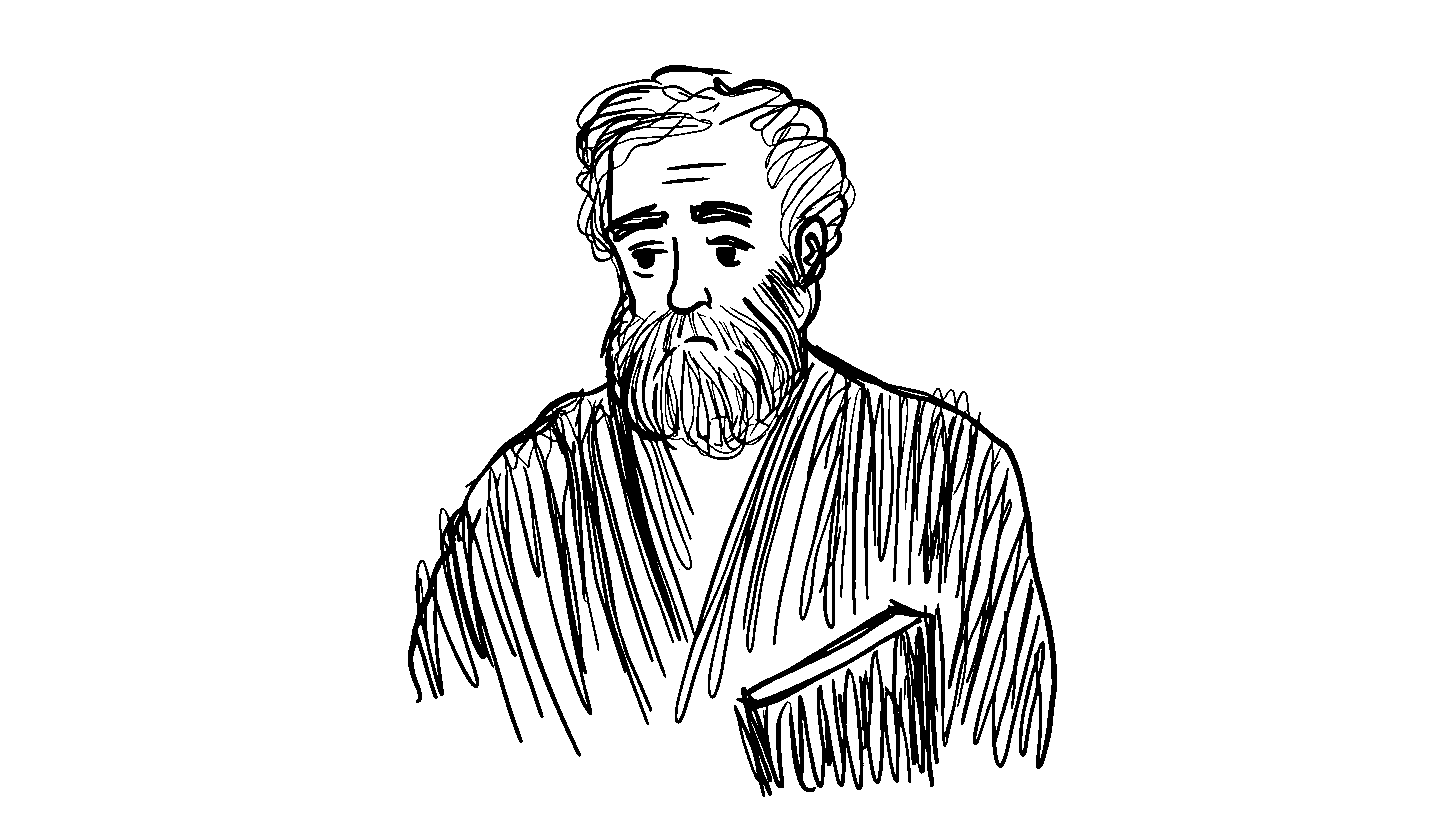
“What doesn’t kill you makes you stronger. Except bears. Bears will kill you.”
Let’s be honest: most book summaries are bullshit. They give you the sanitized, Instagram-friendly version of profound ideas that were meant to tear your soul apart and rebuild it from scratch.
I first read “Thus Spoke Zarathustra” when I was 24, living in a crappy apartment, questioning everything about my life. I didn’t understand half of it. I read it again at 30, and it punched me in the face. I read it again last month, and I realized most people, including many who quote Nietzsche, have no fucking idea what this book is actually about.
This isn’t just another philosophy book. It’s Nietzsche’s attempt to create a new Bible for a godless age. It’s poetry, prophecy, and a giant middle finger to everything comfortable about human existence.
The Book Nobody Actually Reads (But Everyone Quotes)
If you’ve spent any time on the internet, you’ve seen Nietzsche quotes plastered across inspirational images. “God is dead.” “What doesn’t kill you makes you stronger.” The problem is, most people using these quotes have about as much understanding of Nietzsche as I have of quantum physics.
“Thus Spoke Zarathustra” follows the prophet Zarathustra (based on the ancient Persian prophet Zoroaster) as he comes down from his mountain solitude to teach humanity about the “Übermensch” or “Superman” – not the guy in tights, but the next evolutionary step for humanity.
But here’s where it gets interesting. Unlike most philosophical texts that tell you what to think, Zarathustra is written like a bizarre epic poem. Nietzsche doesn’t spoon-feed you his ideas; he makes you work for them, often contradicting himself and speaking in riddles. It’s like if your philosophy professor dropped acid and started teaching in parables.
The Uncomfortable Truth: God Is Dead (And We Killed Him)
When Nietzsche wrote “God is dead,” he wasn’t celebrating. He was diagnosing a crisis. Imagine you’ve been told your whole life that there’s an invisible scorekeeper in the sky watching everything you do, giving meaning to your existence. Then one day, poof – that idea no longer makes sense.
What happens next? Nihilism. Depression. Existential crisis. Netflix binges. When I talk to people today who feel empty despite having decent jobs and relationships, they’re experiencing exactly what Nietzsche predicted: the death of meaning in a post-religious world.
The brilliance of Zarathustra is that Nietzsche doesn’t just identify the problem; he offers a solution, though it’s not one that makes you feel warm and fuzzy.
The Übermensch: Not a Marvel Character
The central idea of Zarathustra is the Übermensch – often translated as “Superman” or “Overman.” This isn’t about gaining superpowers or becoming a billionaire with a six-pack. It’s about creating your own values in a world without given meaning.
Most people can’t handle this freedom. We want someone – a god, a government, a self-help guru – to tell us what to value. Nietzsche saw this as humanity’s greatest weakness.
When I work with clients who say they’re “finding themselves,” they’re usually just looking for someone else’s values to adopt. The actual process of creating your own values is painful. It requires you to question everything you’ve been taught and to accept that you might be wrong about almost everything.
The Three Transformations: Becoming Who You Are
In one of the most famous sections, Zarathustra describes three transformations of the spirit: from camel to lion to child.
The camel takes on burdens, studies traditions, and carries the weight of societal expectations. This is most of us in our twenties, getting degrees, building careers, checking boxes.
The lion destroys and says “no” to imposed values. This is the rebellious phase, rejecting what you’ve been taught, perhaps quitting your job, ending relationships, or questioning your religious upbringing.
But the final transformation – the child – is the hardest. The child creates new values through play and says “yes” to life. Not because life is fair or meaningful, but because saying yes is more powerful than saying no.
I spent years stuck in the lion phase, tearing down beliefs without building anything new. Most critics, internet trolls, and cynics never make it past this phase. They know what they’re against but not what they’re for.
Eternal Recurrence: The Ultimate Test
Here’s where Nietzsche really fucks with your head. He introduces the thought experiment of “eternal recurrence” – the idea that you’ll have to live your exact life, with all its pain and boredom, over and over again for eternity.
Would that thought crush you or excite you?
I first encountered this idea during a particularly shitty period of my life. I was broke, heartbroken, and questioning my career choices. The thought of living that exact moment on repeat forever was horrifying. That’s exactly the point. It forced me to ask: How can I live so that I would welcome eternal recurrence?
This isn’t some “no regrets” YOLO bullshit. It’s about taking full responsibility for your choices and creating a life you’d choose again, not because it’s painless, but because it’s authentically yours.
The Last Man: Comfort Seekers
Nietzsche’s most prophetic section describes “the last man” – humanity reduced to seeking comfort and security above all else.
“They have their little pleasures for the day and little pleasures for the night: but they have a regard for health. ‘We have discovered happiness,’ say the last men, and they blink.”
Sound familiar? Scroll through Instagram. Watch TV commercials. Listen to most modern self-help. It’s all about how to be comfortable, happy, and inoffensive. Avoid conflict. Find “work-life balance.” Be positive. Take your vacation days.
There’s nothing wrong with comfort. I enjoy Netflix and pizza as much as anyone. But a life organized entirely around avoiding discomfort is a half-life. The most meaningful experiences I’ve had – writing books, building relationships, questioning my beliefs – all involved significant discomfort.
Why Zarathustra Matters More Now Than Ever
We live in a world that’s increasingly nihilistic but masks it with consumerism and distraction. When I ask people what they value, many struggle to answer beyond vague notions of “happiness” or “success.” We’ve killed God but replaced him with Instagram likes and Netflix queues.
Nietzsche saw this coming. He knew that without a way to create meaning for ourselves, we’d either fall into nihilism or grab onto any ideology offering certainty.
What makes Zarathustra unique is that it doesn’t offer easy solutions. It doesn’t tell you what to value; it challenges you to create values yourself. It’s not a self-help book; it’s a self-creation book.
How to Actually Read This Damn Thing
Here’s my practical advice for reading “Thus Spoke Zarathustra”:
- Start with the right expectations: This isn’t a linear argument. It’s poetic, contradictory, and intentionally confusing.
- Read it slowly: I recommend no more than 10-15 pages per sitting. Let it digest.
- Write in the margins: Argue with Nietzsche. Question him. He’d want that.
- Pay attention to your emotional reactions: When do you feel defensive? Inspired? Confused? That’s where the real learning happens.
- Don’t try to “solve” it: Zarathustra isn’t a puzzle with a single solution. It’s a mirror showing different reflections depending on who’s looking.
The Brutal Truth
Most people won’t make it through this book. Not because it’s long (though it is), but because it’s uncomfortable. It forces you to confront the possibility that many of your values aren’t really yours. They’re inherited, borrowed, or adopted to fit in.
Creating your own values isn’t some exciting, Instagram-worthy journey. It’s often lonely, confusing, and painful. You’ll make mistakes. You’ll find yourself swimming against the current of society.
But the alternative is worse: living by values you don’t truly believe in, seeking comfort instead of meaning, becoming one of Nietzsche’s “last men” who blink and say they’ve discovered happiness.
That’s why I come back to Zarathustra every few years. Not because I enjoy it (sometimes I do, sometimes I want to throw it across the room), but because it refuses to let me settle for comfortable self-deception.
And in a world increasingly built around telling us what we want to hear, that brutal honesty is rare and precious.
So read Nietzsche’s Zarathustra. Or don’t. But if you choose to avoid it because it might make you uncomfortable, you’ve already proven his point.


Leave a Reply