
Your motivation is being hijacked by a fatal design flaw in your brain. You think you’re in control, but you’re not. Every time you fail to follow through on your goals, every time you procrastinate on important tasks, every time you feel that crushing lack of drive—it’s not willpower. It’s cognitive evaluation working against you.
Most people never learn this framework. They live their entire lives wondering why they can’t sustain motivation for anything meaningful. Meanwhile, the top performers have figured out how to hack this psychological principle to create unshakeable internal drive.
The difference between those who achieve and those who don’t isn’t talent, luck, or circumstances. It’s understanding how your brain evaluates tasks and knowing how to manipulate that evaluation in your favor.
The Hidden Psychology That Controls Your Every Decision
Your brain runs a constant background program called Cognitive Evaluation Theory. Every task you encounter gets processed through two critical filters: competence and control. Your brain asks two simple questions:
Can I actually do this?
Am I in charge of the outcome?
If either answer is no, your motivation dies instantly. Not slowly. Instantly.
This explains why you can spend hours scrolling social media but can’t write that business plan. Why you can master complex video games but struggle with simple exercise routines. Why you feel energized helping others but drained working on your own projects.
The tasks that drain you fail one or both tests. The tasks that energize you pass both with flying colors.
Why External Rewards Are Psychological Poison
Here’s where most people get it catastrophically wrong. They think more rewards equal more motivation. Wrong. External rewards often destroy internal motivation through a process called the overjustification effect.
When your brain perceives external rewards as controlling, it shifts your locus of control from internal to external. You stop caring about the task itself and only care about the reward. The moment the reward disappears, so does your motivation.
This is why commission-based workers often become miserable. Why bonuses stop motivating after the first few times. Why gold stars worked in kindergarten but feel insulting now.
Your brain interprets external control as a threat to your autonomy. And autonomy is one of your deepest psychological needs.
The Competence Trap That Keeps You Mediocre
Your brain has another cruel trick. It only feels motivated to attempt tasks within your current perceived competence level. This creates a vicious cycle where you only do things you already know how to do, which keeps you exactly where you are.
The average person interprets this signal to mean they should stick to their comfort zone. The elite interpret it differently. They understand that competence can be artificially expanded through strategic task design.
Instead of taking on massive challenges that trigger incompetence fears, they break big goals into smaller components that feel achievable. They stack tiny wins to build genuine confidence. They manipulate their own perception of competence to unlock motivation for bigger challenges.
The Control Paradox That Rules Your Life
Here’s the paradox that destroys most people: You need to feel in control to be motivated, but seeking too much control kills your motivation.
People with an internal locus of control believe their actions determine their outcomes. They feel empowered and motivated. People with an external locus of control believe outside forces determine their outcomes. They feel helpless and unmotivated.
But here’s the twist: Obsessing over control creates external dependence. When you need everything to go perfectly, you give control to circumstances. When you accept that some things are outside your control, you gain control over yourself.
The most motivated people focus intensely on their inputs while remaining completely detached from outcomes. They control what they can control and ignore everything else.
How Elite Performers Hack Their Cognitive Evaluation
Top performers understand something most people miss: Motivation isn’t a feeling you wait for. It’s a psychological state you engineer.
They design their environment to pass both cognitive evaluation tests. They choose tasks that feel challenging but achievable. They structure rewards to feel informational rather than controlling. They frame setbacks as feedback rather than failure.
When they face a big goal, they don’t just dive in hoping for motivation. They reverse-engineer the psychological conditions that will make their brain want to do the work.
They ask better questions:
How can I break this down so it feels achievable?
How can I increase my sense of control over the process?
How can I make the work itself rewarding?
The Framework That Changes Everything
Start evaluating your tasks through the cognitive evaluation lens. When you feel unmotivated, ask:
Does this feel within my competence level? If not, how can I break it down or build skills first?
Do I feel in control of the outcome? If not, what parts can I control?
Are external pressures making this feel controlling? How can I reframe this as a choice?
What would make this task feel more informational and less controlling?
Your brain is not broken. Your motivation system is not defective. You just need to speak its language.
The people who seem naturally motivated aren’t different from you. They’ve simply learned to design their lives around psychological principles that most people never discover.
Your Move
Stop waiting for motivation to strike. Stop hoping that external rewards will save you. Start engineering the psychological conditions that make motivation inevitable.
Your brain has been running this evaluation program your entire life. Now you know how it works. Use it.
The choice is simple: Keep letting your unconscious cognitive evaluation sabotage your goals, or take control of the framework and build the drive you’ve always wanted.
The top 1% aren’t waiting for permission. Neither should you.
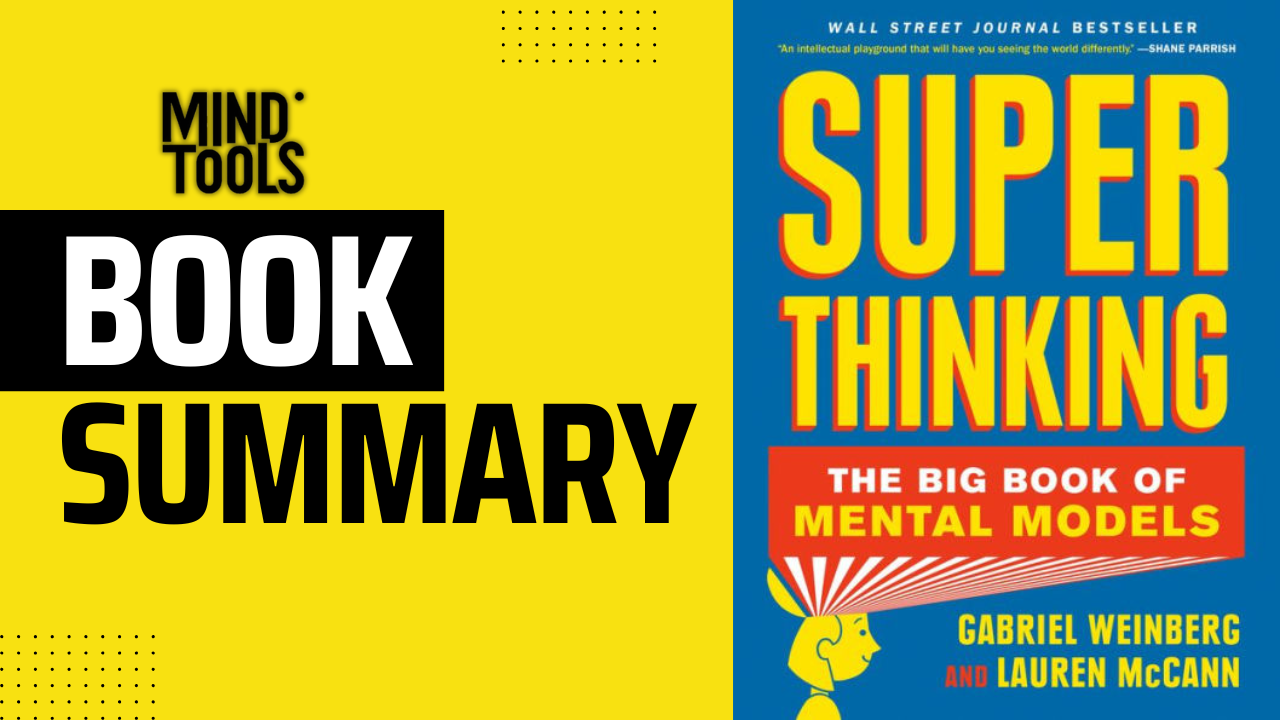
For more frameworks that reveal how your mind really works, check out The Mind Tools where we break down the psychological principles that separate the elite from everyone else. And if you want the complete arsenal of mental models for domination, grab The Mind Tools Books where we go deeper into the frameworks that change lives.
Stop making excuses. Start making moves. Your brain is waiting for you to take charge.


Leave a Reply