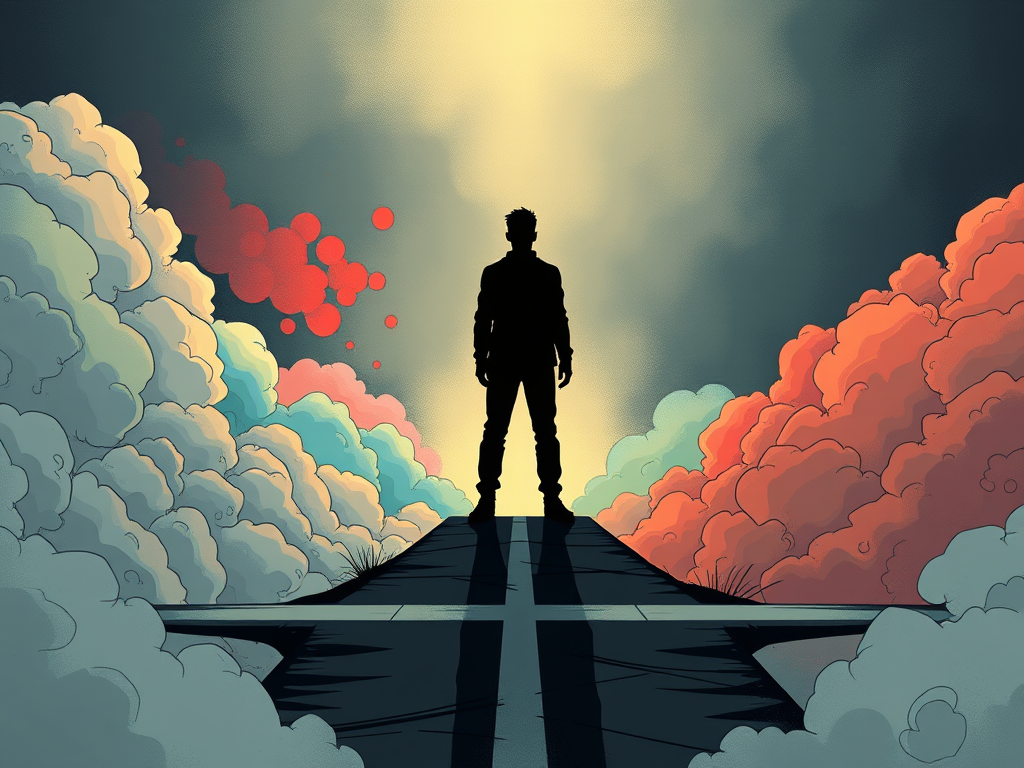
“We are not thinking beings that occasionally feel. We are feeling beings that occasionally think.” – Antonio Damasio
The Hidden Puppet Master: How Your Mood Calls the Shots
Ever wonder why you said “yes” to something you didn’t want or bought that overpriced gadget you didn’t need? It wasn’t logic or reason—it was your mood. Whether you were stressed, ecstatic, or just plain tired, your emotions probably had more control than you’d like to admit.
Here’s the kicker: Your mood doesn’t just influence your decisions—it hijacks them. And worse, it does so quietly, behind the scenes. I’ve fallen into this trap more times than I can count. One time, after a grueling week, I impulsively agreed to co-sign a friend’s bad idea. Did I regret it later? Oh, absolutely. But in that moment, I wasn’t thinking—I was feeling.
Why Your Brain Is Emotional First, Logical Second
“The greatest deception men suffer is from their own opinions.” – Leonardo da Vinci
Our brains are wired for survival, not rationality. The limbic system, the emotional center of the brain, processes stimuli faster than the prefrontal cortex, which handles logic. Translation: You feel before you think. And while this shortcut helped our ancestors avoid danger, it now makes us buy things we regret or pick fights we didn’t mean to start.
For example, studies show that people in a bad mood are more likely to make pessimistic decisions, while those in a good mood tend to take risks. And then there’s the infamous “retail therapy” phenomenon: Feeling down? Your brain tells you a new pair of shoes will fix it. Spoiler alert: It won’t.
If you want to understand more about the subtle psychological traps we face daily, explore How Leading Questions Manipulate Your Mind for insights on how to break free from manipulation.
Bad Moods Equal Bad Decisions
“Never make a permanent decision based on a temporary emotion.” – Anonymous
I learned this the hard way. A while back, I was frustrated with work and snapped at a friend for no real reason. The fallout? Days of awkward tension. My bad mood made me overreact, and I paid the price.
Science backs this up. When you’re in a bad mood, your brain focuses on what’s wrong and exaggerates problems. You’re more likely to assume the worst, misinterpret intentions, and make choices driven by fear or anger. When you’re calm, those same situations seem manageable.
The takeaway? Don’t trust your gut when you’re upset. If you’re about to make an important decision and your blood pressure is rising, hit pause. Walk away. Let the storm pass.
The Trap of a Good Mood: You’re Not Off the Hook
“A good mood is like a sunny day—it’s lovely, but it can blind you to the potholes.”
Good moods feel amazing, but they come with their own risks. Ever agreed to something because you were feeling generous, only to regret it later? That’s the “rose-colored glasses” effect.
In one experiment, researchers found that people in a good mood were more likely to overlook risks and make impulsive choices. Why? Because when you’re happy, your brain is less critical. You’re more likely to say “yes” without thinking it through.
Here’s an example: I once agreed to help a friend move because I was in a great mood. Fast-forward to the day of—it was 100 degrees outside, and I was knee-deep in cardboard boxes wondering why I didn’t fake a back injury.
For more on how to avoid overcommitting yourself, check out The Hidden Danger of Saying ‘Yes’ Too Often.
How Your Mood Warps Memory and Reasoning
“Memory is a trickster. It doesn’t just store information—it rewrites it.”
Here’s something few people realize: Your mood doesn’t just affect how you make decisions—it also changes how you remember them. Research shows that when you’re in a bad mood, you’re more likely to recall negative memories, which fuels a cycle of pessimistic thinking.
I’ve seen this play out in my own life. After a tough breakup, I convinced myself that every past relationship was a disaster. Looking back now, I realize I was only focusing on the bad parts because of my mood. When my mindset improved, so did my perspective.
If you’re interested in rewiring your habits to prevent such negative cycles, I highly recommend Charles Duhigg’s book The Power of Habit. You can find it on Amazon here.
Practical Strategies to Outsmart Your Mood
“You can’t stop the waves, but you can learn to surf.” – Jon Kabat-Zinn
Here’s the good news: You don’t have to be a victim of your emotions. With a little awareness and practice, you can take back control.
- Pause Before Big Decisions
If you’re feeling emotional—whether it’s anger, sadness, or even excitement—delay making important choices. Give yourself time to cool off and think clearly. - Check Your Mood
Before making a decision, ask yourself: “How am I feeling right now, and is this influencing me?” Just naming your mood can help you step back and think rationally. - Use Mood to Your Advantage
When you’re in a good mood, tackle creative tasks or brainstorm ideas. When you’re in a bad mood, focus on routine tasks that don’t require big decisions. - Sleep On It
Never underestimate the power of a good night’s sleep. It resets your brain and often gives you a fresh perspective. - Lean on Logic
If your emotions are clouding your judgment, write down the pros and cons of your decision. Seeing things on paper helps you separate facts from feelings.
Mood Awareness: The Real Superpower
“Awareness is the first step toward mastery.” – Eckhart Tolle
The truth is, you can’t stop your emotions from influencing you. But you can learn to recognize their role and adjust accordingly. Mood awareness isn’t about suppressing how you feel—it’s about understanding it and making conscious choices despite it.
When you start paying attention to your mood, you’ll notice patterns. Maybe you’re more impulsive when you’re tired or more critical when you’re stressed. Once you know your triggers, you can take steps to counteract them.
For a deeper dive into how our mental shortcuts often lead us astray, read Why We All Fall for the Composition Fallacy.
Final Thoughts
Your mood will always play a role in your decisions—it’s part of being human. But the more aware you are of its influence, the less control it has over you.
So the next time you’re about to make a big choice, take a step back and ask yourself: Is this me talking, or is it my mood? That one question could change everything.
References
- Damasio, Antonio. Descartes’ Error: Emotion, Reason, and the Human Brain.
- Kahneman, Daniel. Thinking, Fast and Slow.
- Gilbert, Daniel. Stumbling on Happiness.
- Baumeister, Roy. “Bad Is Stronger Than Good,” Review of General Psychology.
- Ariely, Dan. Predictably Irrational: The Hidden Forces That Shape Our Decisions.
Share this with someone who always acts on impulse. They’ll thank you later.


Leave a Reply