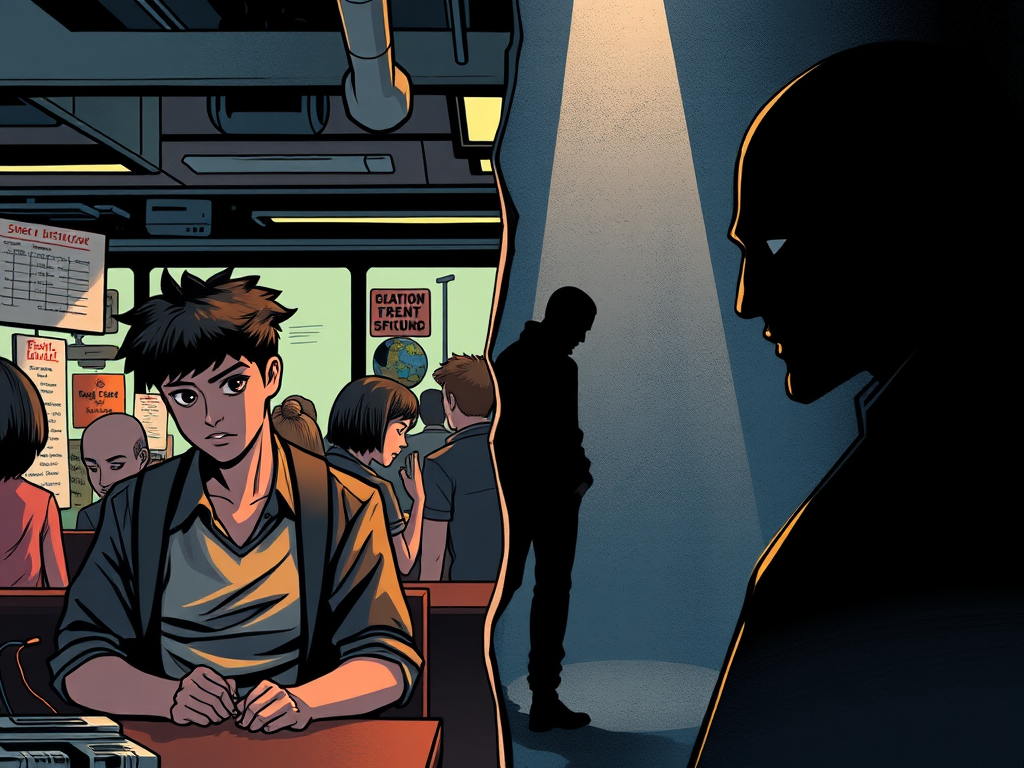
“We judge ourselves by our intentions and others by their actions.” — Stephen Covey
The Trap You Don’t Even Know You’re In
Have you ever walked away from a conversation thinking, “Why are they so rude?” Or maybe you’ve found yourself frustrated, assuming someone was lazy or careless because they didn’t meet your expectations. But when it’s you who forgets, delays, or snaps, it’s always because of “a busy day,” “bad timing,” or “stress.” Sound familiar?
This double standard isn’t just a bad habit—it’s a psychological phenomenon called the Actor-Observer Bias. It’s the reason we excuse ourselves for things we harshly judge in others. We become defense attorneys for our own actions and prosecutors for everyone else’s.
I didn’t realize how deeply this bias had seeped into my life until it nearly wrecked one of my closest relationships.
How I Fell Into the Bias (And Almost Stayed There)
“When you blame others, you give up your power to change.” — Robert Anthony
A few years ago, I had a falling out with a friend I’d known for years. It started small—missed calls, forgotten plans—but it snowballed into full-blown resentment. I thought, They don’t care about me. They’re selfish. They’ve changed.
But one day, after weeks of silence, they called me out: “You’re always making excuses for why you’re too busy, but when I do the same, I’m the bad guy?”
It hit me like a ton of bricks. I’d been so focused on their “personality flaws” that I didn’t stop to consider their circumstances. I was quick to see myself as a victim and them as the villain.
To better understand why I kept falling into this trap, I turned to the principles of emotional intelligence—a concept explained beautifully in Daniel Goleman’s book, Emotional Intelligence. This book became one of the most important tools in my journey to self-awareness.
The Psychology Behind the Bias
“Human beings are not good at seeing reality clearly; we see it through the lens of our assumptions.” — Brené Brown
Psychologists call it the Actor-Observer Bias because it’s rooted in perspective. When you’re the actor in a situation, you have all the context—you know the “why” behind your actions. But when you’re the observer, you only see the behavior, not the backstory.
For example:
- If you’re late to a meeting, it’s because traffic was brutal.
- If someone else is late, it’s because they’re irresponsible.
This bias evolved because it helped our ancestors make quick judgments. But today, it sabotages our relationships by creating misunderstandings and resentment.
If you want to dive deeper into how our biases shape our decisions, check out my article on How Leading Questions Manipulate Your Mind. It explores how subtle tricks can influence our thoughts without us even realizing it.
How I Broke Free
“Empathy is about finding echoes of another person in yourself.” — Mohsin Hamid
Breaking free from the Actor-Observer Bias isn’t easy. It takes self-awareness, humility, and practice. Here’s what worked for me:
1. Pause Before Passing Judgment
When someone’s actions frustrate you, take a breath and ask: What might they be going through? This simple pause can stop a snap judgment in its tracks.
2. Flip the Roles
Imagine yourself in their shoes. If you had done what they did, how would you justify it? This mental trick helps you see their humanity.
3. Ask, Don’t Assume
Instead of assuming someone’s motives, ask them directly. For example, if a friend cancels plans, say, “Is everything okay?” instead of thinking, “They don’t value my time.”
4. Own Your Bias
Remind yourself that your perspective isn’t the full story. Write down instances where you excused your own behavior but judged others harshly. The pattern will shock you.
For more actionable strategies, I highly recommend The 7 Habits of Highly Effective People by Stephen Covey. This timeless classic helped me develop habits that strengthen relationships and increase self-awareness.
The Payoff: Better Relationships, Better You
“The moment you stop blaming others, you take back your power.” — Unknown
Once I started applying these strategies, my relationships changed. Conversations became more honest. Conflicts resolved faster. I felt lighter, less bitter.
But the biggest shift was internal. I realized that by judging others less, I was also judging myself less. I could finally forgive myself for being human—because I was extending that same grace to others.
If this resonates with you, you may also find value in my article on The Hidden Dangers of Words: How Misunderstanding Language Can Destroy Trust. Clear communication plays a key role in reducing misunderstandings and building empathy.
Why This Matters
We live in a world that’s quick to judge and slow to understand. Social media amplifies this, reducing people to one-dimensional caricatures based on a tweet or a headline. But the truth is, people are complex. We’re all fighting battles no one else sees.
When you break free from the Actor-Observer Bias, you gain more than better relationships—you gain wisdom, empathy, and peace. You stop seeing others as enemies and start seeing them as allies in the shared struggle of being human.
And isn’t that what we all want?
References
- Covey, Stephen R. The 7 Habits of Highly Effective People.
- Goleman, Daniel. Emotional Intelligence: Why It Can Matter More Than IQ.
- Brown, Brené. The Gifts of Imperfection.
- Hamid, Mohsin. Exit West.
- Anthony, Robert. Beyond Positive Thinking.


Leave a Reply